Designing a musical interface for media performance
A major aspect of the ensemble has been the design and fabrication of performance interfaces or instruments designed for multimedia performance. This is where the transcoding of the samples, images, video, data, etc. that we use to form the building blocks of our pieces happens. The data can now be manipulated by the hands of our performers. Here are a few of the instruments we’ve worked on.
The Box – The first CAVE controller
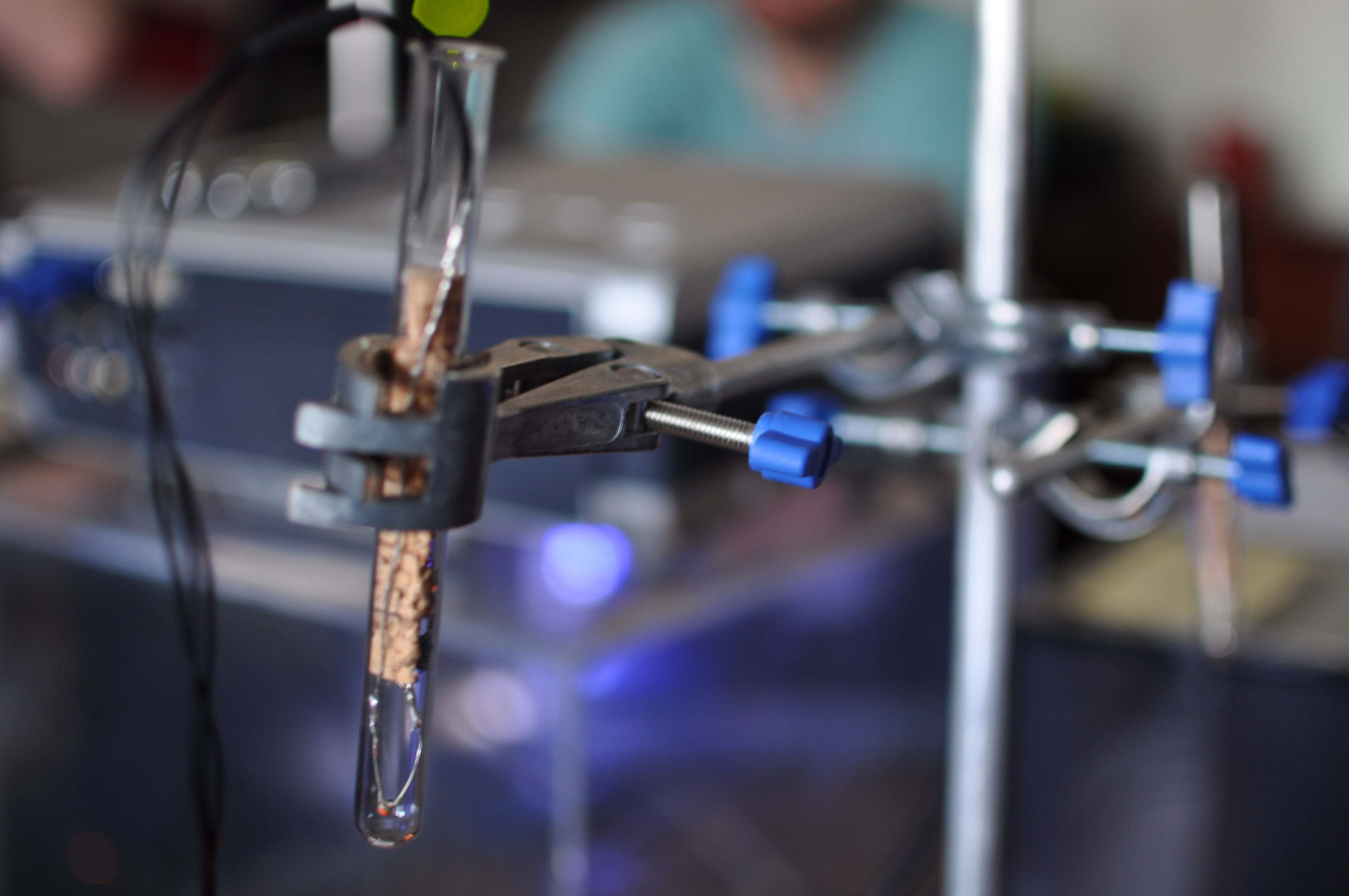
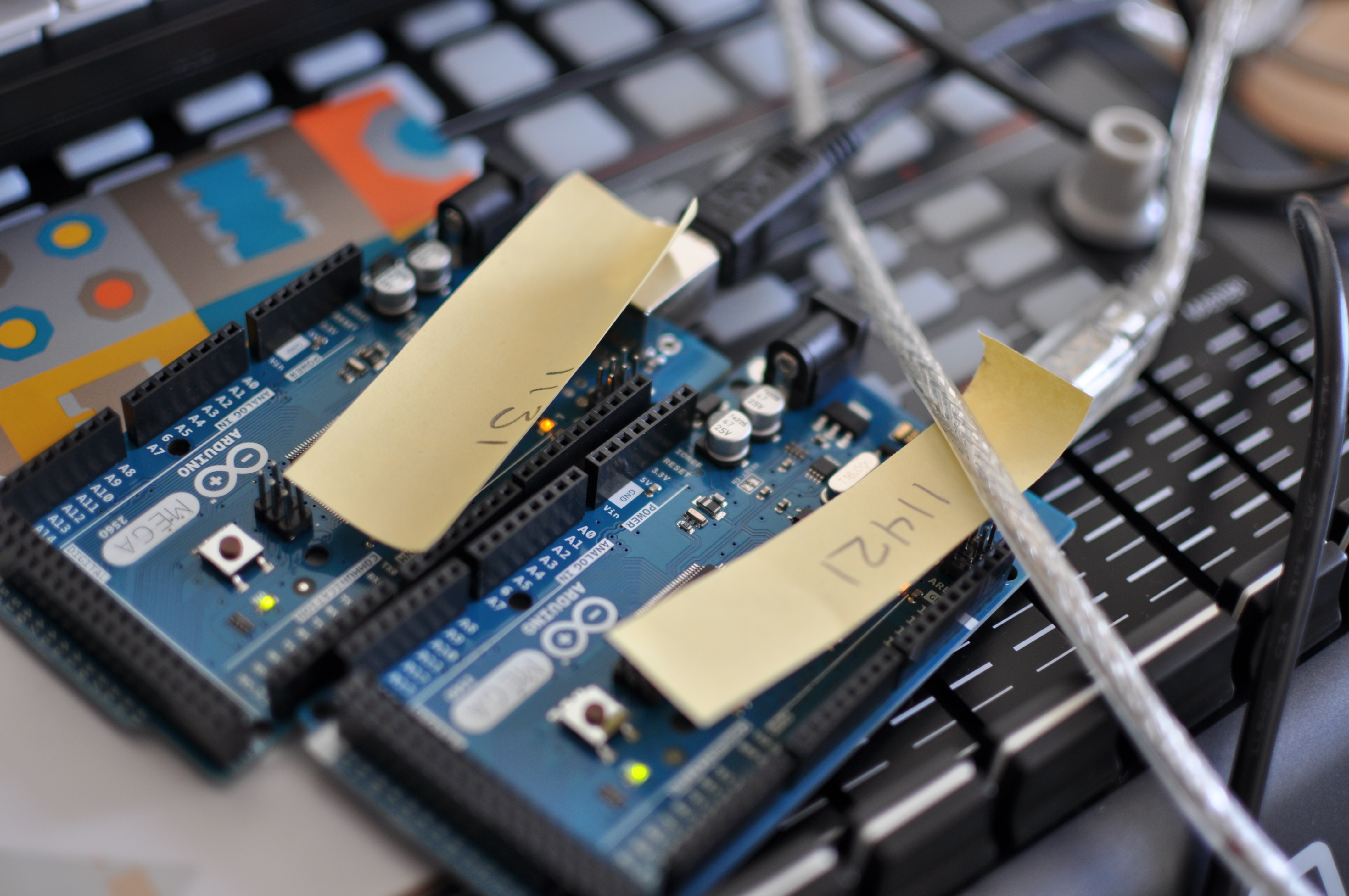
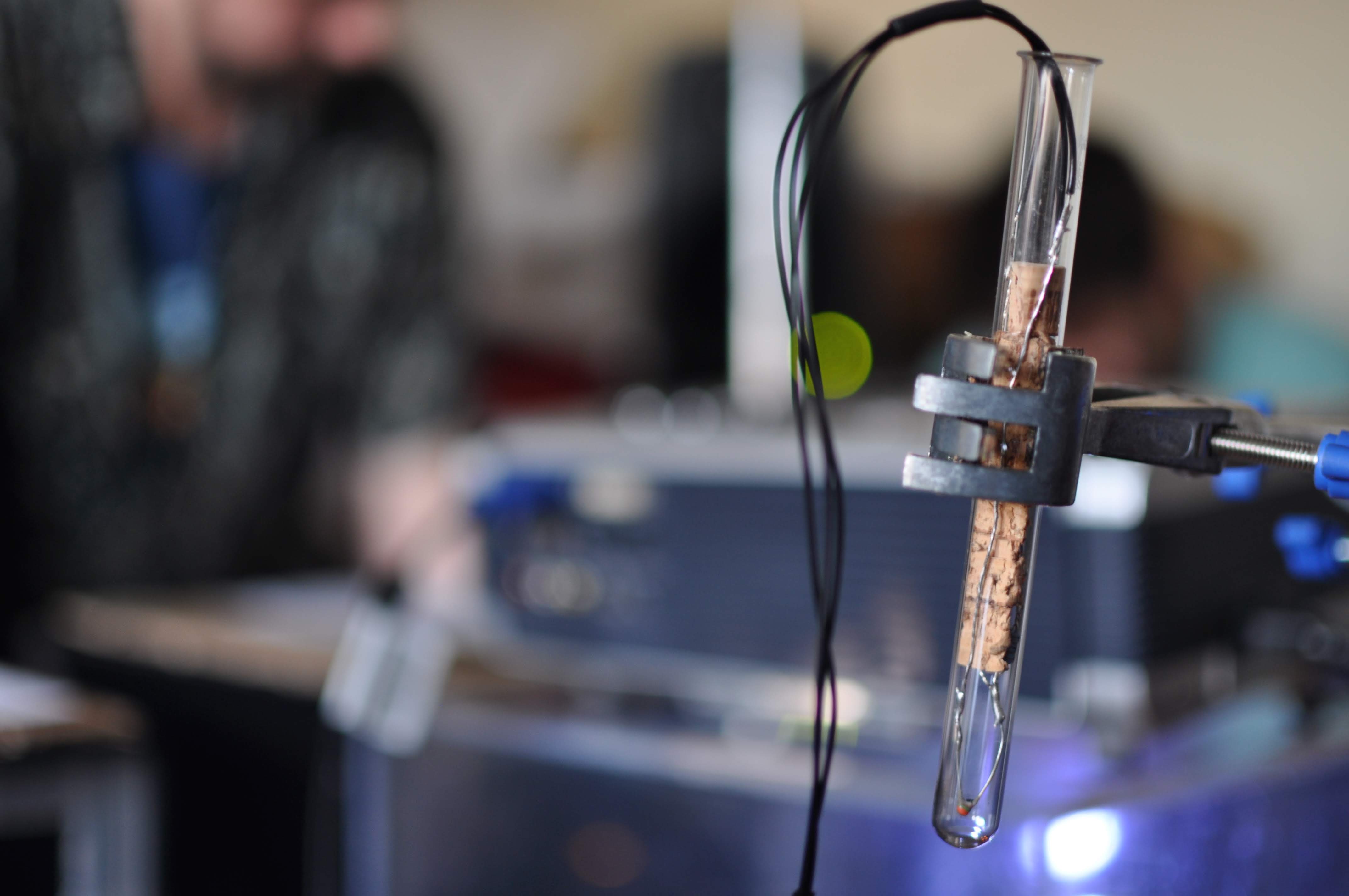
This instrument utilised piezo transducers along with temperature and light sensors. We could play with light and fire! It also had a webcam inside tracking hand movement.







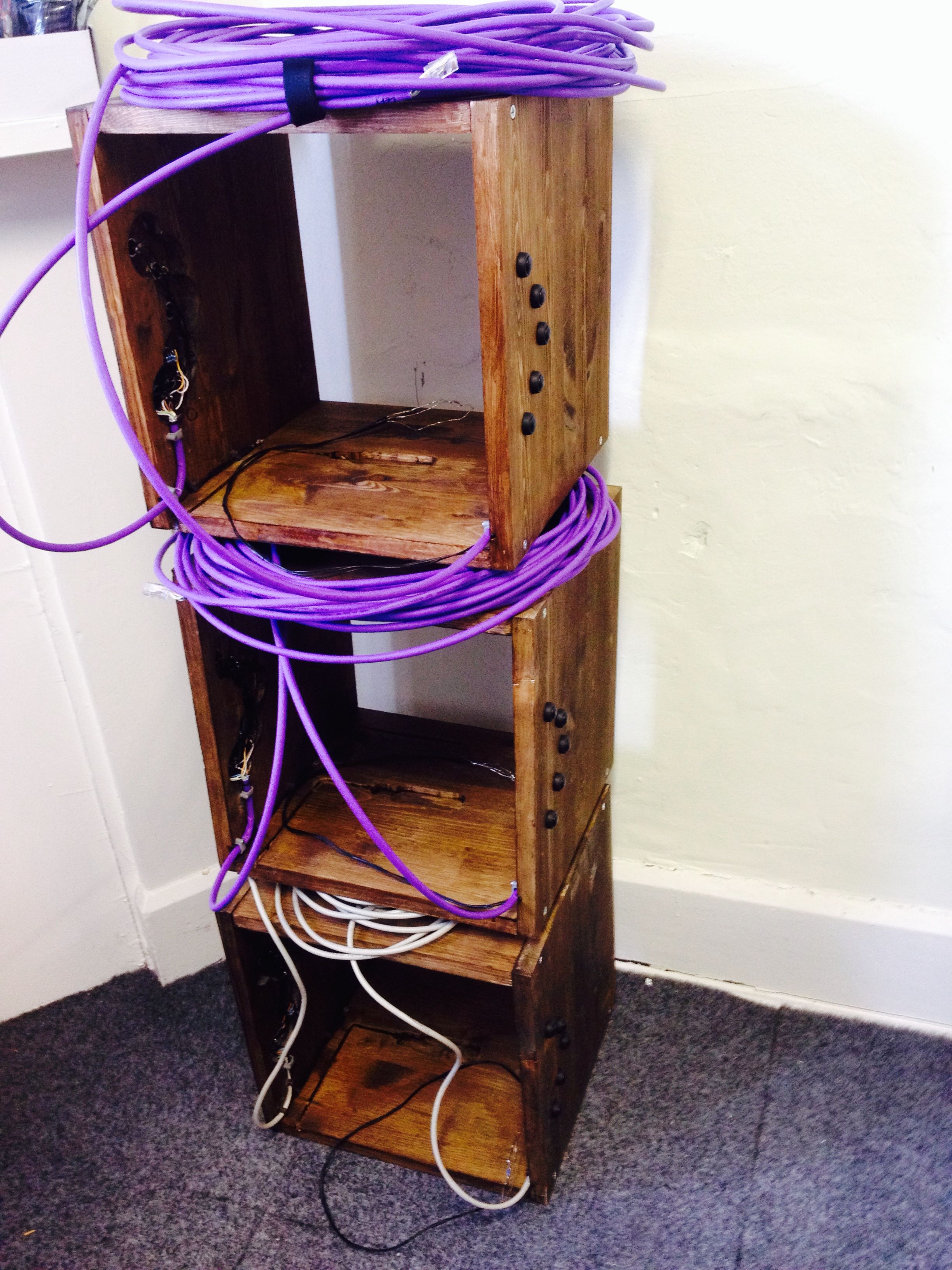
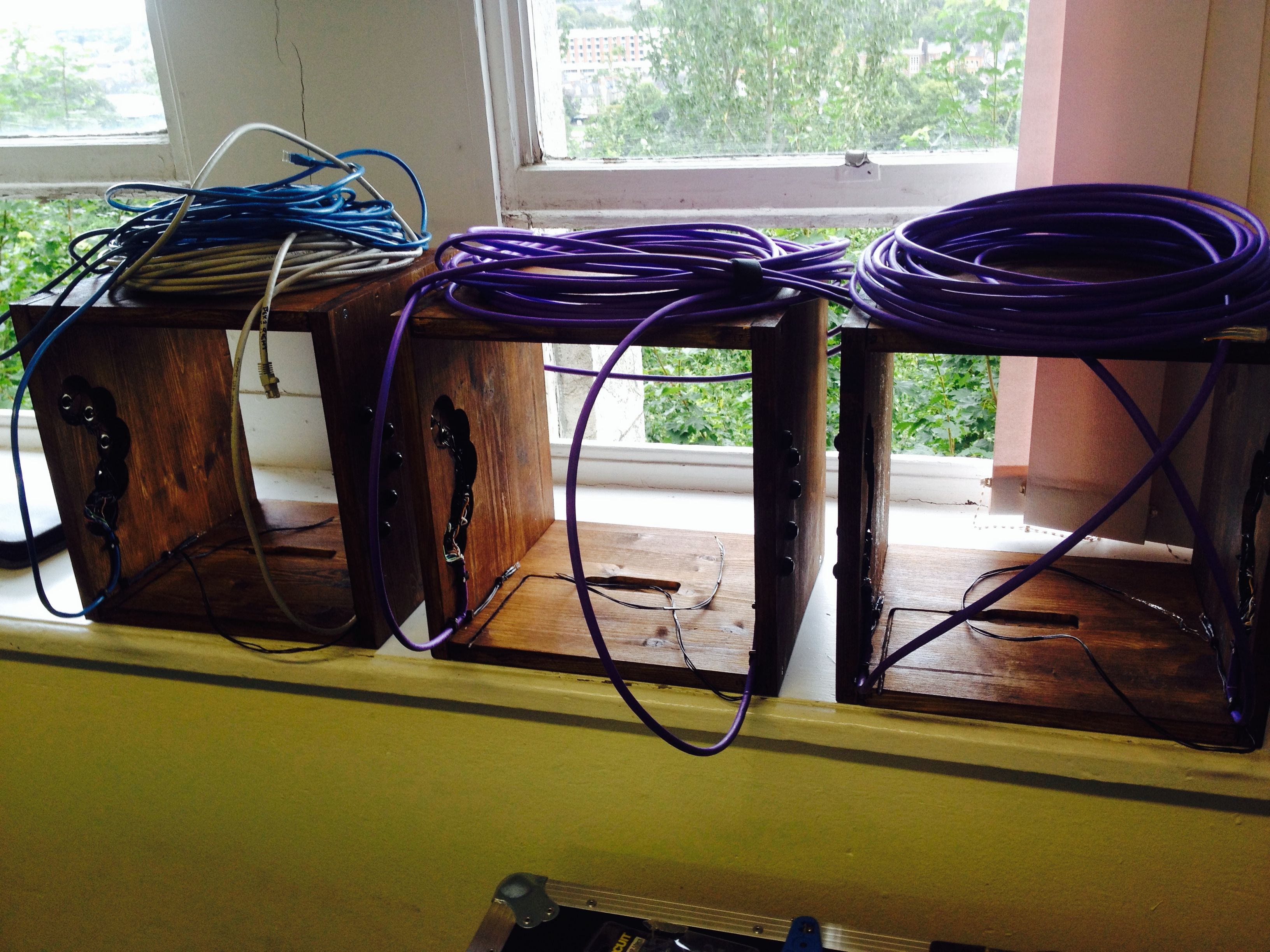
The Box rev 2
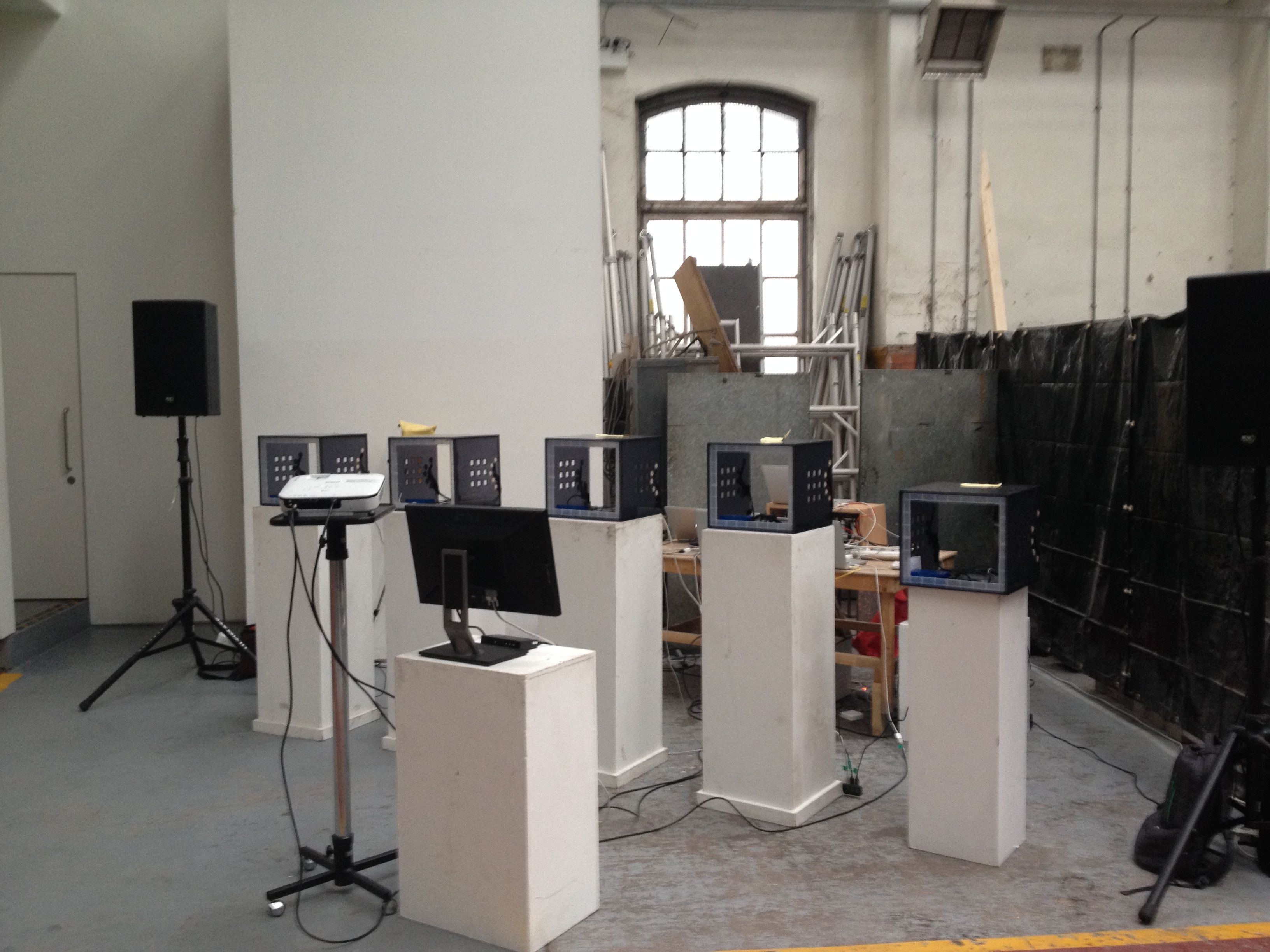
The first controller turned out to be a too fragile for travel and performance. Upgrades included a wooden box that could be assembled and disassembled, reliable switches, and a Leap Motion controller.
The Possibility Box
This instrument is a further realisation of the original CAVE manifesto. I’ve always strived to eliminate the need for the visual interface or the screen of the computer. With the Possibility Box, you can plug it in, jack it into an amp and start playing. If you have more than one, they will find each other on the WiFi and you can perform in sync. In fact, it uses Ableton Link to sync so you can even perform with others who are perhaps using Ableton Live on their computers. This makes the ensemble incredibly mobile. It also allows for more casual improvisation and development of technique.
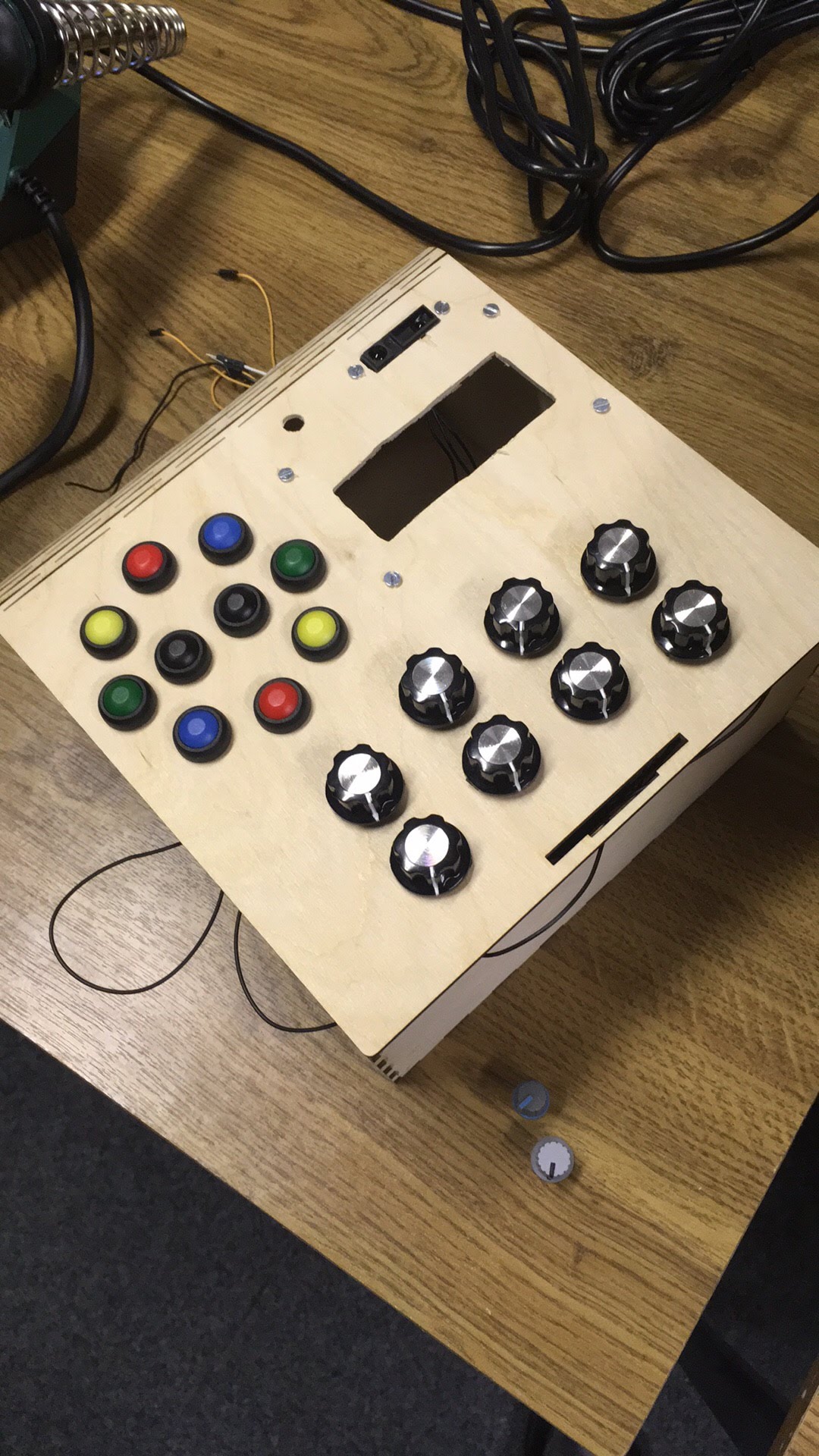
The box itself has 8 potentiometers, 1 distance sensor, and 10 buttons. A digital encoder controls a menu allowing you to select and load an instrument patch. Inside the box is a headless Raspberry Pi computer, and Arduino, and a USB audio interface. The sound generation patches are built in PD or PureData, allowing for endless possibilities in how the instrument sounds and reacts to performance. If you desire a musical keyboard or more controllers at any point, you can simply plug in a USB MIDI controller of your choice to extend functionality.


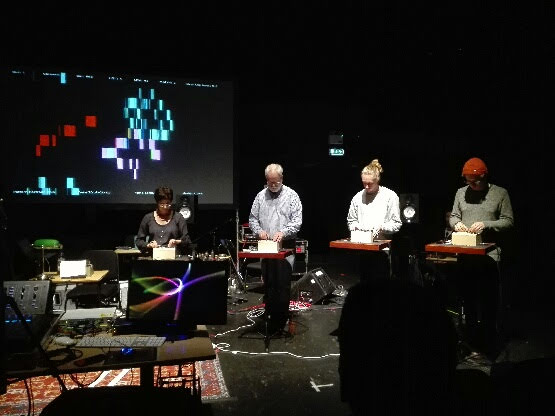


 CAVE - Cork Audio Visual Ensemble